
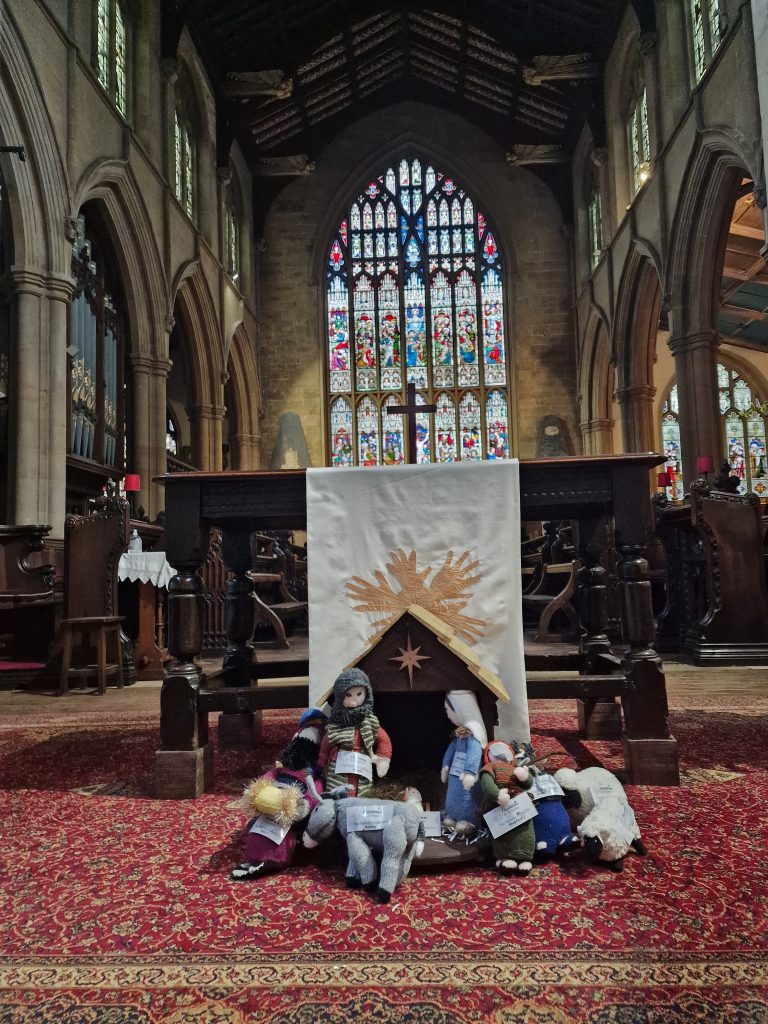
New Year, Resolve. A 2026 invitation to life of action and adventure & New Year Prayer
The turn of the year invites reflection. Gyms fill, diaries open, and resolutions are made — often individual, self-improving, quietly abandoned by February. But for spiritual social justice activists, the New Year asks something different. Not more effort, but deeper faithfulness. Not perfection, but perseverance. Not novelty, but renewed commitment to love made public.
In a UK context marked by widening inequality, war profiteering, hostile migration policy, climate breakdown and deep social fatigue, spiritual Christ conscious activism can feel both urgent and exhausting. This New Year, our resolutions are not about doing everything — but about doing the right things, rooted in prayer, community and courage.
Below are not commandments, but invitations: practices that can sustain our action in the long term
1. Resolve to Root Activism in Prayer — Not Panic
Spiritual activism that is not grounded in prayer quickly becomes reactive, brittle or despairing. The news cycle thrives on urgency; the gospel invites faithfulness.
This year, resolve to begin with prayer before action — not as a polite preface, but as discernment. Prayer slows us down enough to ask: What is God asking of me, here and now? Not everything is ours to carry.
For some, this may mean daily fixed prayer. For others, weekly silence, lament psalms, or communal prayer vigils. Across the UK, groups connected to networks like SPEAK and our partners continue to model prayer that is politically awake and spiritually honest.
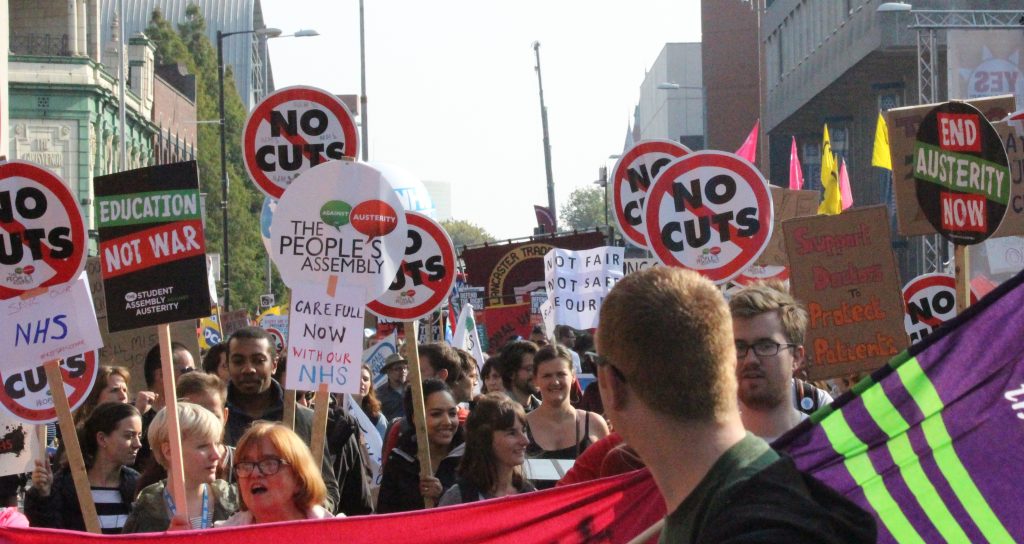
Resolution: Pray with the pain of the world, not just for it.
2. Resolve to Stay Informed — Without Becoming Numb
Spiritual justice work requires truth-telling. But constant exposure to violence, injustice and outrage can hollow us out. The goal is not to know everything, but to know enough to act faithfully.
Choose a small number of trusted sources and organisations and follow them attentively rather than endlessly. Many UK activists engage closely with the work of Amnesty International, Oxfam UK, and Campaign Against Arms Trade — not just reading headlines, but responding through prayer, giving and action.
Resolution: Replace doom-scrolling with disciplined attention.
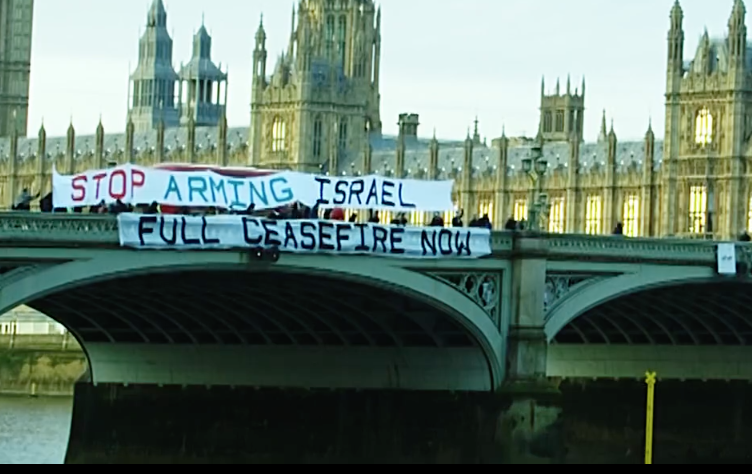
3. Resolve to Practise Nonviolent Presence
Spiritual social justice is not only about outcomes; it is about how we show up. In protests, campaigns and conversations, our presence matters. Nonviolence is not passivity — it is active, courageous refusal to mirror the violence we oppose.
This year, resolve to embody patience, clarity and dignity even under pressure. Whether attending a vigil, writing to an MP, or challenging harmful narratives in church spaces, let your manner witness to a different way of being human.
Movements such as Campaign Against The Arms Trade (CAAT) and Stop the Arms Fair wider coalitions remind us that protest can be creative, prayerful and deeply communal.
Resolution: Be a peacemaker in posture as well as purpose.
4. Resolve to Commit to Community, Not Lone Activism
Burnout is one of the greatest threats to Christian justice work. The myth of the heroic individual activist leaves people isolated and exhausted. The New Testament vision is collective: many members, one body.
This year, resolve to walk with others. Join or form a small justice-prayer group. Share responsibilities. Rotate leadership. Make space for laughter and rest alongside resistance.
UK-based networks, local church groups, Quaker meetings, Catholic Worker communities and ecumenical justice circles all offer ways of practising solidarity that is sustainable.
Resolution: Choose belonging over busyness.
5. Resolve to Use Your Voice — Even When It Trembles
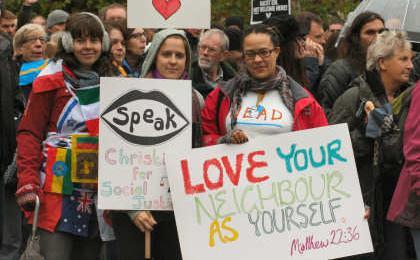
Many Christians hesitate to speak publicly about justice for fear of being “too political”. Yet silence, too, is political. In a democracy, voice is a form of stewardship.
This year, resolve to use your voice wisely and persistently:
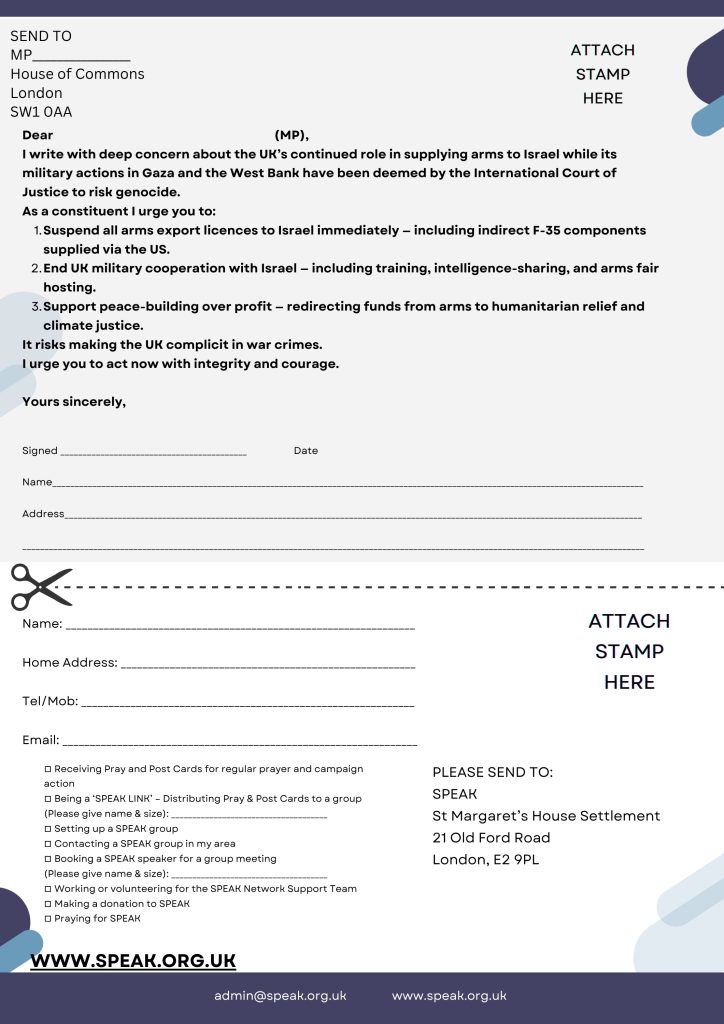
- Write to your MP.
- Speak up in church when injustice is spiritualised away.
- Share thoughtfully on social media.
- Support those most affected by injustice by amplifying their voices, not replacing them.
As Jesus reminds us, faith that remains hidden when harm is done to others is not neutrality — it is abandonment.
Resolution: Speak truth with humility, not fear.
6. Resolve to Align Money with Mission
Christian ethics extend to budgets, pensions and purchasing. In a cost-of-living crisis, this is complex and deeply personal — but still meaningful.
This year, consider:
- Regular giving to justice organisations.
- Ethical banking or investment where possible.
- Supporting mutual aid rather than only charity.
- Being honest about financial limits without surrendering generosity.
Jesus spoke often about money because it reveals what we trust. Small, consistent acts of economic solidarity matter more than grand gestures.
Resolution: Let finances reflect faith, not convenience.
7. Resolve to Practise Lament — Not Just Hope
Christian culture sometimes rushes too quickly to hope. But scripture gives us permission — even instruction — to lament. To grieve publicly. To name injustice without resolution.
In a year marked by war, displacement and ecological loss, lament is not weakness; it is faith that refuses denial. It keeps our hearts open when closing them would be easier.
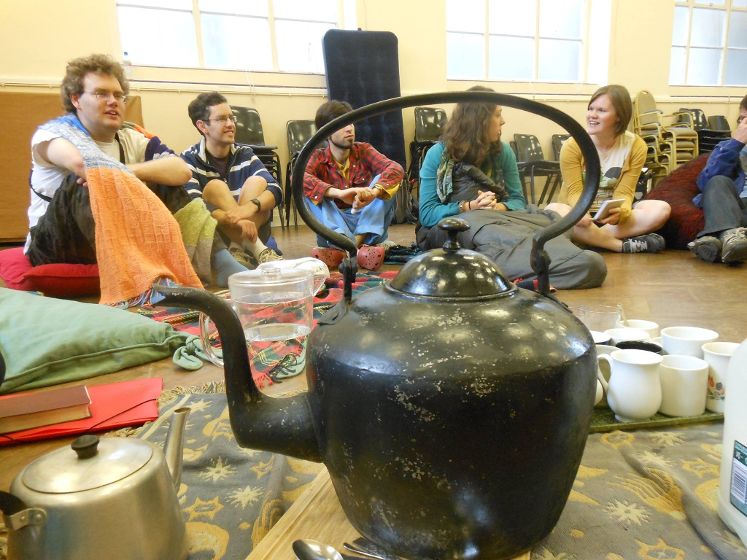
Create space this year for lament in worship, prayer and activism. Light candles. Read psalms of grief. Honour the dead. Sit with unanswered questions.
Resolution: Trust that God can hold our sorrow.
8. Resolve to Stay for the Long Haul
Justice work is rarely quick. Victories are partial. Progress is uneven. Christian hope is not optimism — it is commitment without guarantees.
This New Year, resolve not to quit when results are slow. The measure of faithfulness is not success, but love sustained over time.
As the prophet Micah reminds us: do justice, love mercy, walk humbly. Walking implies duration.
Final Resolution: Remain — with God, with the oppressed, with one another.
A New Year Prayer
God of justice and mercy,
as we step into this year,
teach us to resist without hatred,
to hope without denial,
to act without arrogance,
and to rest without guilt.
Root our activism in prayer,
our prayer in love,
and our love in truth.
Amen.
May this be a year not of louder noise, but deeper resolve.